


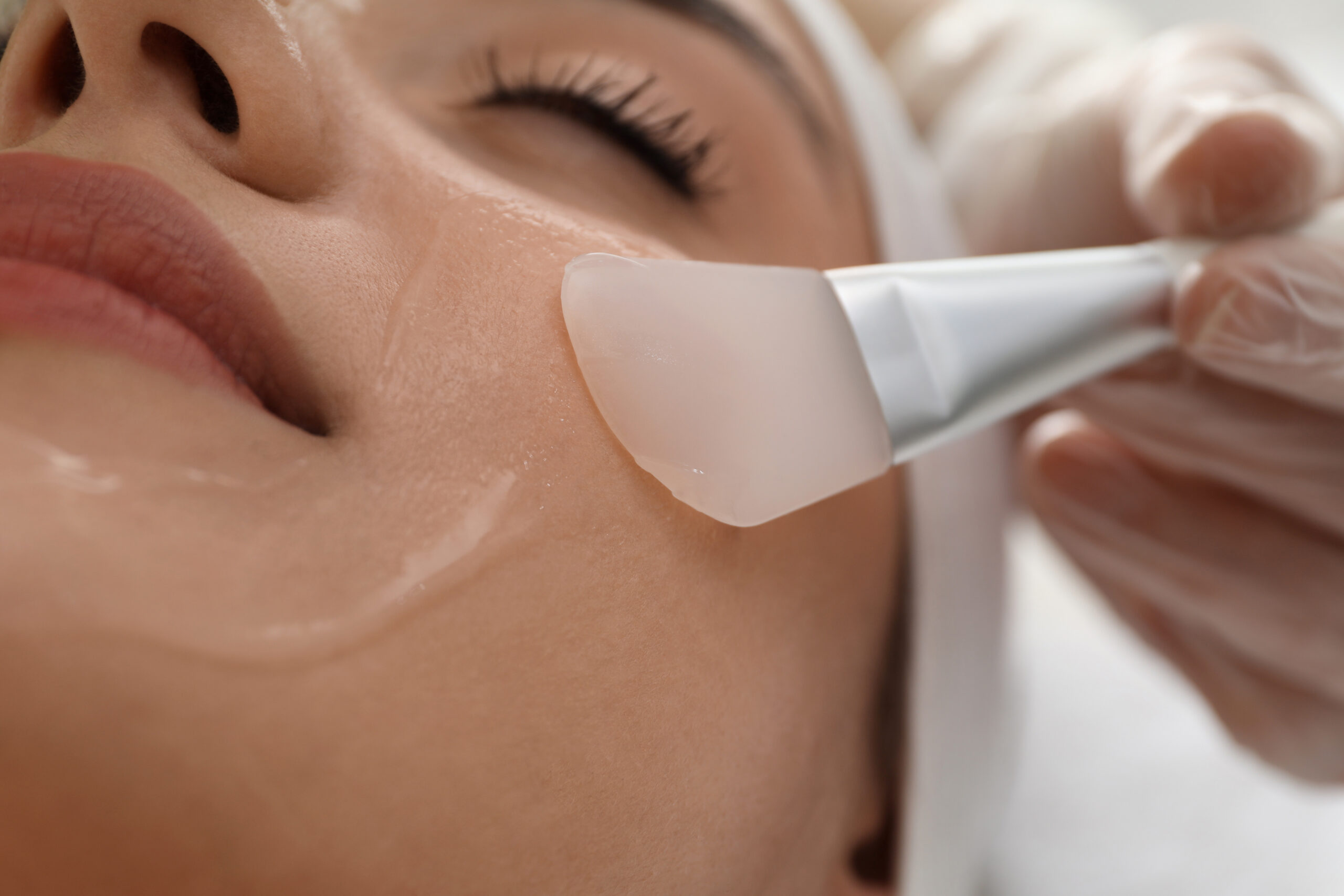

Chemical peels are one of the most versatile and widely researched treatments in professional skincare, with a well-established track record of improving skin texture, tone, and clarity. If you are considering chemical peels in Philadelphia, PA, you are in good company: more patients each year are turning to this evidence-backed treatment as a meaningful step in their long-term skin health journey. But like any results-driven treatment, chemical peels come with real considerations around safety, candidacy, and aftercare. This page is designed to give you a clear, honest picture of how peels work, what the risks look like, and how to protect your skin and your results. If you have specific questions, we welcome you to reach out directly; contact Skin House Facial Bar in Philadelphia.
How Chemical Peels Work and What They Actually Do to Your Skin
Chemical peels work by applying a carefully selected exfoliating solution to the surface of the skin, prompting controlled shedding of damaged outer layers and encouraging the renewal of healthier skin beneath. Depending on the depth of the peel, the process targets different layers of the epidermis or dermis, which is why understanding peel depth is one of the most important factors in both safety and outcomes.
Superficial Peels
Superficial peels, often formulated with alpha hydroxy acids such as glycolic or lactic acid, work on the outermost layer of skin. They are well-tolerated by most patients and may help improve brightness, mild uneven tone, and texture. Downtime is typically minimal for most patients.
Medium-Depth Peels
Medium-depth peels, such as those using trichloroacetic acid (TCA), reach into the upper dermis. They may be appropriate for patients addressing more visible signs of sun damage, uneven pigmentation, or early fine lines. These require more preparation and a more deliberate aftercare plan.
Deep Peels
Deep peels, such as phenol-based formulas, are performed in clinical settings by licensed professionals and are reserved for more significant skin concerns. They carry the highest risk profile and longest recovery period.
At Skin House Facial Bar, Founder and Medical Aesthetician Shireen Mustafa approaches chemical peels as part of a curated, progressive treatment pathway rather than a one-time event. This philosophy is reflected in the practice’s Essential Chemical Peel Series and Advanced Chemical Peel Series, which are designed to deliver results through structured, spaced sessions that respect the skin’s natural recovery process.
Chemical Peels: Understanding the Real Risks and How They Are Managed
Transparency about risk is a mark of a practice that genuinely prioritizes patient wellbeing. Chemical peels are considered safe when performed by qualified professionals on appropriately selected candidates, but there are risks every patient should understand before committing to treatment.
Hyperpigmentation and Hypopigmentation
Changes in skin color are among the most commonly discussed risks associated with chemical peels. Post-inflammatory hyperpigmentation, a darkening of treated skin, is more common in patients with deeper skin tones and can be triggered by sun exposure during the healing process. Hypopigmentation, or lightening of the skin, is more associated with deeper peel depths. Proper pre-treatment preparation and consistent sun protection may significantly reduce this risk.
Infection and Scarring
When aftercare protocols are not followed, or when peels are performed on compromised or actively inflamed skin, there is an elevated risk of infection. Patients with a history of cold sores may experience a herpes simplex flare following a peel without antiviral prophylaxis. Scarring, while uncommon with professionally supervised peels, is a known risk associated primarily with deeper peel depths and improper aftercare.
Sensitivity and Prolonged Redness
Some patients experience extended redness or increased sensitivity following a chemical peel. This is generally temporary and resolves as the skin heals, but it underscores the importance of working with a knowledgeable provider who can assess your skin barrier health before treatment. Patients with naturally sensitive skin may benefit from a preparatory approach, such as the Sensitive Skin Series at Skin House, which helps condition the skin before progressing to more active treatments.
Chemical Peels Safety: What to Do Before, During, and After Treatment
Safety in chemical peel treatments is not determined by the day of the appointment alone. It is built through preparation, professional oversight, and a committed aftercare routine that begins the moment you leave the treatment room.
Before Your Peel
In the weeks leading up to a chemical peel, your provider may recommend discontinuing certain active ingredients such as retinoids, exfoliating acids, or photosensitizing medications. Sun avoidance and consistent SPF use are strongly recommended to reduce the risk of post-treatment pigment changes. A pre-treatment priming regimen may also be recommended, particularly for patients new to clinical exfoliation or those with a history of pigmentation concerns.
What to Expect During the Appointment
During a professional chemical peel, you may feel warmth, tingling, or a mild stinging sensation as the solution is applied. This is a normal part of the process and is carefully monitored throughout. The solution is neutralized or removed at a precise point to control depth and minimize risk. At Skin House, every treatment is guided by Shireen Mustafa’s clinical training and her understanding of how different skin types respond to chemical exfoliation.
After-Treatment Care
Post-peel skin requires gentle, consistent care. Avoid picking or peeling skin manually, use only provider-recommended cleansers and moisturizers, and apply broad-spectrum SPF every day without exception. Sweating, swimming, and intense heat should be avoided during the initial healing period. Staying on a structured treatment schedule, rather than booking peels sporadically, gives your skin the best opportunity to build on each session’s results. This is one reason the Advanced Chemical Peel Series and Skin House’s membership model are designed the way they are: consistency is foundational to visible, lasting improvement.
Why Choose Skin House Facial Bar in Philadelphia, PA?
Skin House Facial Bar occupies a unique space in Philadelphia’s skincare landscape. Founded by Shireen Mustafa, a Medical Aesthetician with hands-on clinical training, the practice brings a level of expertise that goes well beyond a typical facial bar experience. Shireen’s dual role as both founder and licensed professional means that clinical judgment is built into every treatment decision, from peel selection to post-care guidance.
Philadelphia patients choose Skin House because the practice is genuinely invested in skin health as a long-term pursuit, not a one-off appointment. The membership model reflects that philosophy, offering patients in the greater Philadelphia area a consistent, expert-guided routine that builds real results over time. Whether you are exploring chemical peels for the first time or looking to deepen an existing skincare regimen, Skin House provides the kind of personalized, results-oriented care that feels both luxurious and clinically grounded. Explore Skin House membership options or get in touch with the team to start your skin health journey.
Frequently Asked Questions About Chemical Peels
Are chemical peels safe for all skin tones?
Chemical peels can be appropriate for a wide range of skin tones, but candidacy depends on the peel type, depth, and individual skin characteristics. Patients with deeper skin tones may be at a higher risk for post-inflammatory hyperpigmentation and may benefit from a conservative, progressive approach. A thorough skin assessment before treatment helps determine which peel formulas and depths are most appropriate.
How many chemical peel sessions are typically recommended for visible results?
Most patients see the best outcomes through a series of spaced sessions rather than a single treatment. The number of sessions depends on your skin concerns, the peel strength used, and your skin’s response. A structured approach, like a targeted treatment series, allows the skin to respond progressively and may reduce the risk of over-exfoliation. Your provider can recommend a timeline based on your individual goals.
Can I combine chemical peels with other facial treatments?
In some cases, chemical peels can complement other skincare treatments, but timing and sequencing matter significantly. Combining active treatments without professional guidance may compromise your skin barrier or increase sensitivity. At Skin House Facial Bar, Shireen Mustafa evaluates each patient’s overall treatment plan to ensure that any combination of services supports skin health rather than stressing it. Exploring the full range of skin concerns addressed at Skin House can help inform that conversation.
What should I avoid after a chemical peel?
Following a chemical peel, patients are generally advised to avoid direct sun exposure, sweating, swimming, manual exfoliation, and active skincare ingredients such as retinoids or AHAs until the skin has fully healed. Picking or forcibly removing peeling skin increases the risk of scarring and infection. Your provider will give you a specific aftercare protocol tailored to the peel depth you received. Following those guidelines carefully is one of the most important factors in achieving good outcomes.
Is there a good entry point for someone new to chemical peels in Philadelphia?
If you are new to chemical peels, a supervised series designed for beginners is often the most appropriate starting point. Skin House Facial Bar’s Essential Chemical Peel Series is structured to introduce your skin to professional exfoliation gradually and safely, building tolerance and results over time. Starting conservatively and progressing based on your skin’s response is a well-established best practice. A consultation with Shireen Mustafa can confirm whether this pathway is right for you.
Schedule a Consultation
Skin House Facial Bar is proud to serve patients exploring chemical peels in Philadelphia, PA, and the surrounding area. If you are ready to learn more about whether a chemical peel series may be right for your skin goals, we invite you to connect with our team. Shireen Mustafa and the Skin House team are here to help you make an informed, confident decision about your skin health.